
Businesses often view technical maintenance as a cost item. Field data and operational experience, however, show that this view is incomplete. Maintenance is not just an expense; it is also a strategic management tool for operational continuity.
What Does the Data Say?
Data obtained last year shows a direct relationship between maintenance frequency and failure rates.
At facilities receiving limited maintenance, the failure rate rose to 34%; at those maintained twice a year it fell to 19%. Facilities receiving regular, planned maintenance at least four times a year had a failure rate of just 7%.
These figures show a substantial reduction in failure risk as maintenance frequency increases.
The Operational Impact of Maintenance
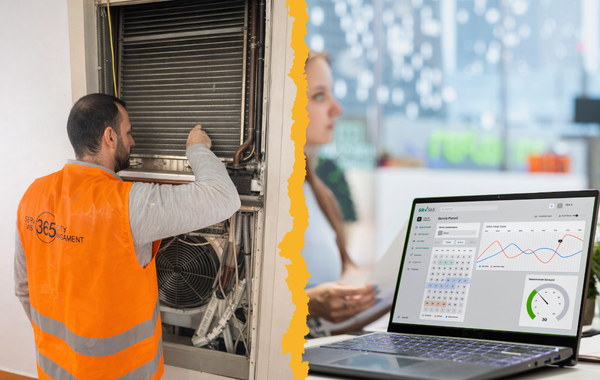
Regular maintenance does more than reduce failure rates: it directly affects operational performance. Preventing unexpected failures, maintaining business continuity and extending equipment life are among its key outcomes.
Planned maintenance also reduces the need for emergency interventions, making costs more predictable and controllable.
Conclusion: Maintenance Is Risk Management
The data makes the message clear:
Maintenance should be treated as an investment in managing long-term operational risks rather than a short-term cost item.
Regular maintenance plays a critical role in cost savings, comfort and sustainable customer satisfaction. Developing planned, data-driven and sustainable maintenance strategies is therefore an important step toward competitive advantage.
*The data is based on 2025.