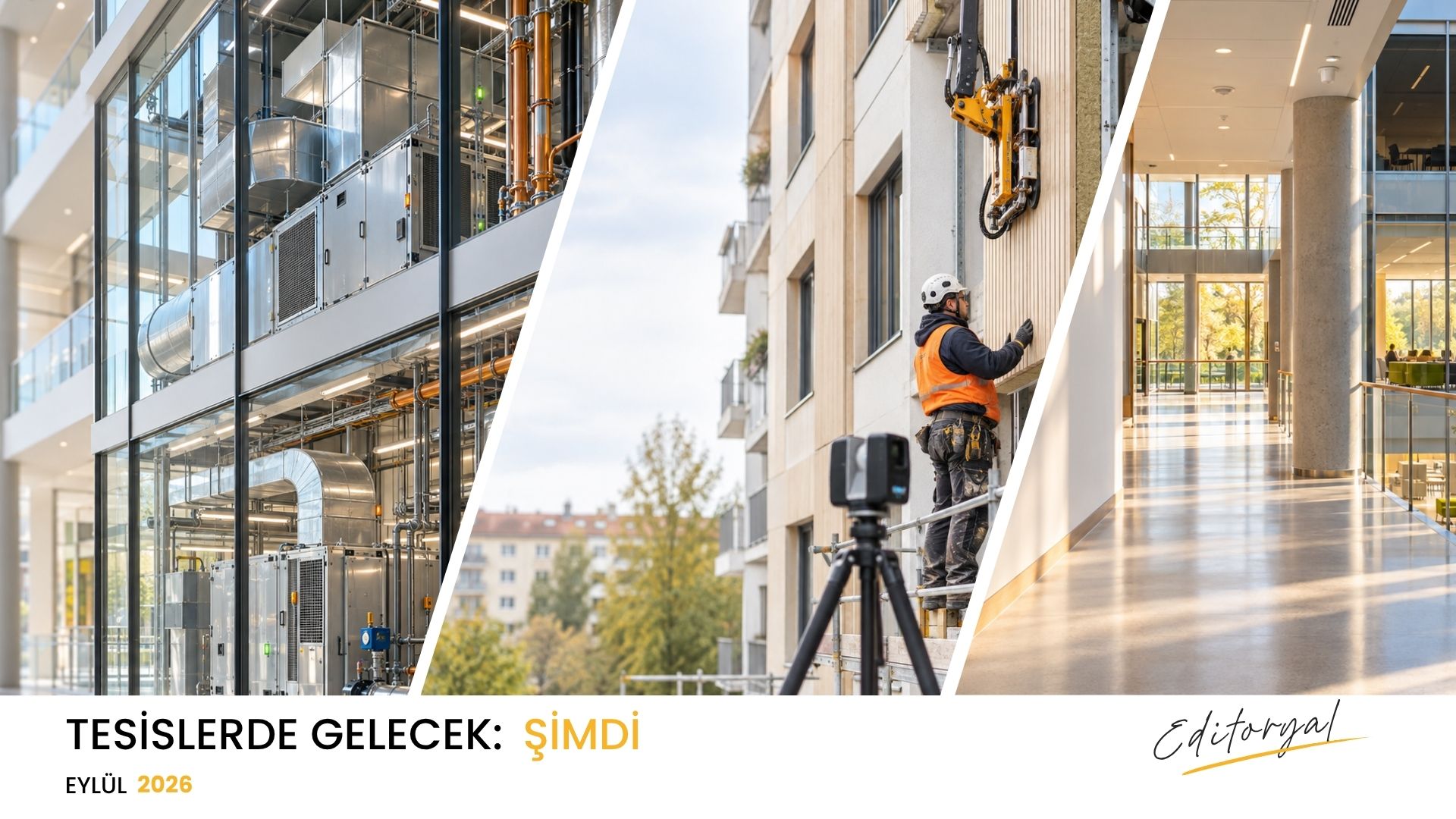
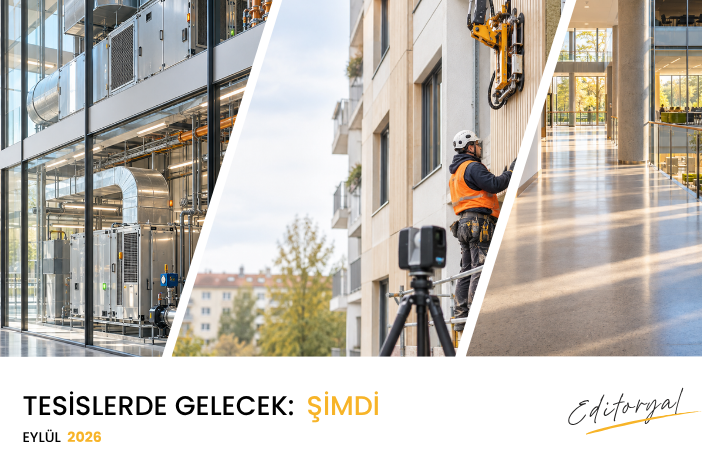
Technology is changing not only how buildings are managed, but also how existing structures are renovated. Connected building management systems, occupancy data, 3D scanning and robot-assisted production are reshaping processes from energy use and maintenance planning to renovation timelines and on-site labor.
Recent projects around the world show that facility management and architectural work increasingly rely on data and digital workflows.
The Smart Transformation of Buildings Begins
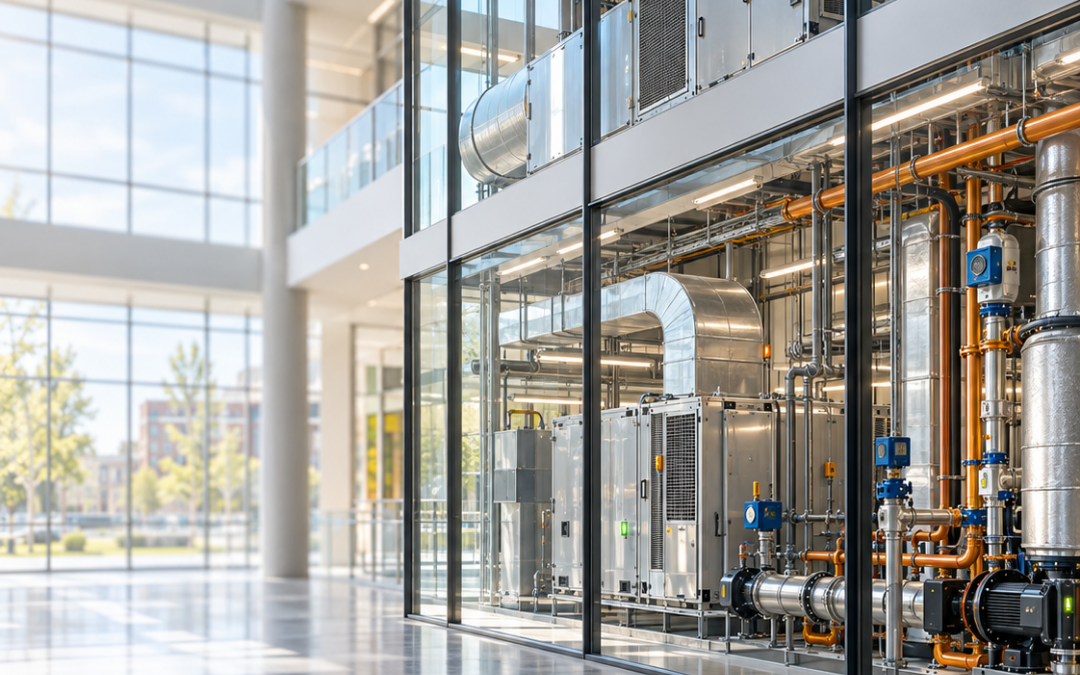
University College London (UCL) has begun upgrading the management systems in 35 campus buildings. Older systems that have lost manufacturer support and operate independently will be replaced with a more modern, connected infrastructure.
The new system will enable heating, cooling, ventilation, lighting and energy use to be monitored according to buildings’ actual needs. UCL reports that earlier optimization work reduced energy use by approximately 50% at Central House and 40% at Bentham House.
This approach helps identify energy losses and equipment problems earlier. Planning maintenance around system data instead of fixed schedules creates a more controlled and predictable operating model across the campus.
Façades Are Being Renovated with 3D Scanning
ETH Zürich-backed Aeroskin Tech renovated the approximately 290-square-meter façade of an apartment building in Wolfenschiessen, Switzerland, using digital planning and robot-assisted production. In the pilot, half the façade used the new system and the other half conventional methods, allowing the processes to be compared under real conditions.
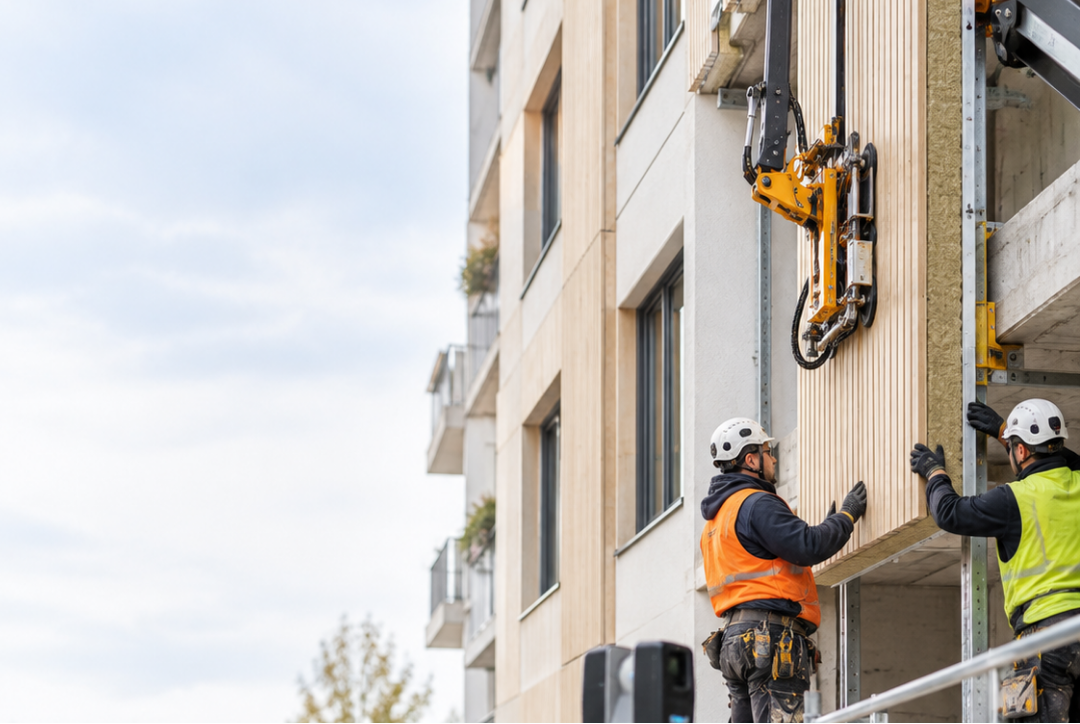
The building was first scanned in 3D with millimeter precision. Insulation elements tailored to each section were then planned using the digital model and manufactured with robotic assistance in a factory. According to ETH Zürich, overall installation time fell by approximately 50%, while installation of insulation elements around windows was 83% faster.
The façade’s thermal transmittance also fell from 0.64 W/m²K to 0.20 W/m²K. The pilot illustrates how renovation can be carried out faster and more precisely with less on-site work.
Technical Systems Across Two Campuses Were Connected
Swansea University combined building management, fire safety and energy monitoring at its Singleton and Bay campuses in Wales within a shared digital infrastructure. The technical systems at both campuses can now be monitored and managed centrally.
Occupancy data helps identify unused areas and switch off their technical systems earlier. Maintenance teams can assess potential issues with remote expert support and analytical tools. Schneider Electric reports an energy-use reduction of more than 40% in the occupancy-data-based application.
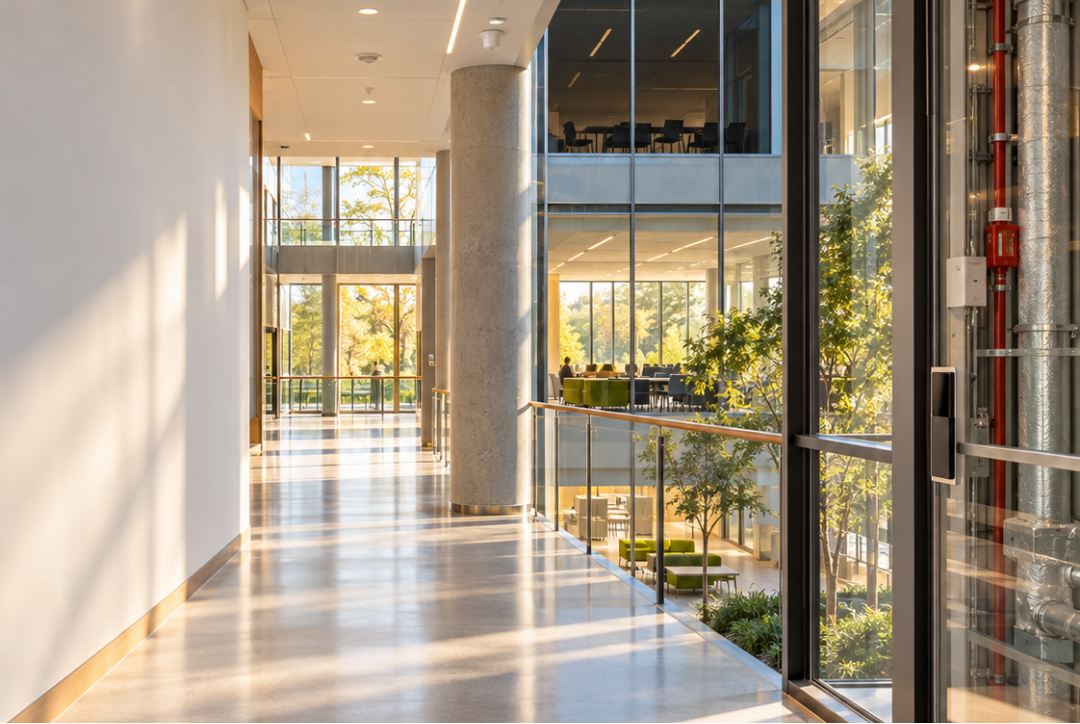
Bringing energy, occupancy, safety and maintenance data together enables facility teams to see more clearly which areas are actually used, which systems run unnecessarily and which interventions should take priority.
Facility Management and Architectural Work Meet in Data
Connected building management systems, digital façade models and occupancy monitoring are different applications, but share a common aim: managing buildings in a more measurable, traceable and efficient way.
These developments also show that facility management and architectural work are not independent processes. Transferring accurate data generated during design and renovation into building operations creates a stronger technical memory for maintenance, energy management and future improvements.
At Servis365, we closely follow technological developments in facility management and architectural work and support visible, measurable and sustainable operations across multi-site facilities.
Contact us for more information about our facility management and technical operations solutions.