

The store lights are out, the register is closed and the last employee has left. Yet the energy consumption graph has not fallen to zero. This does not always mean there is a problem. Some systems, such as security, network infrastructure, refrigeration equipment and uninterruptible power supplies, may need to keep running after closing. The important thing is to distinguish necessary loads from unexplained consumption.

What Is Overnight Baseload?
Overnight baseload is the lowest level of energy consumption that continues when the store is not in use. It varies with each store’s operations, size, equipment and schedule, so there is no single normal value for every store.
The key is how overnight consumption behaves over time. High consumption that remains elevated long after closing, spikes recurring at particular times or a profile noticeably different from similar stores may warrant closer investigation.
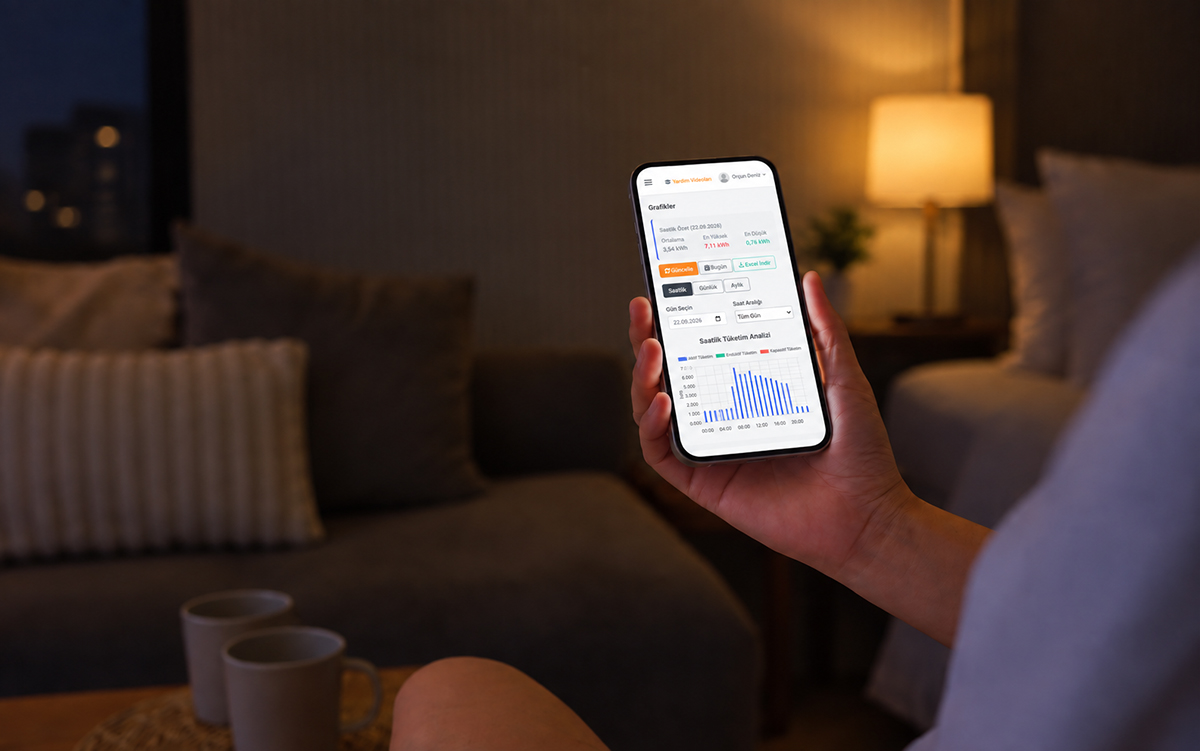
How Should an Energy Curve Be Read?
First, match the store’s actual opening and closing hours to its consumption graph. Out-of-hours activities such as cleaning, deliveries and maintenance should also be considered.

Then ask:
- Does consumption fall at the expected time after closing?
- Does it remain steady overnight, or rise and fall regularly?
- Are there meaningful differences between weekdays, weekends and holidays?
- How does the profile compare with other stores with similar characteristics?
These signs do not by themselves show that a specific device is faulty. They do, however, provide a useful starting point for authorized teams to inspect schedules, automation settings, HVAC systems and continuously running equipment.
From the Bill to the Load Profile
An energy bill shows the total for a billing period; an energy monitoring system shows when and how consumption occurs. In multi-location operations, centrally monitoring profiles makes it easier to identify locations that differ.
With the Servis365 Energy Monitoring System , energy use across branches can be monitored in real time, and current data and detailed reports are available through the SRV365 digital operations platform. Overnight baseload can thus be treated as operational data that can be investigated rather than merely a line on a bill.
The aim is not to switch off every system in the store. The right approach is to identify necessary loads, make unexpected changes visible and plan necessary checks using data.