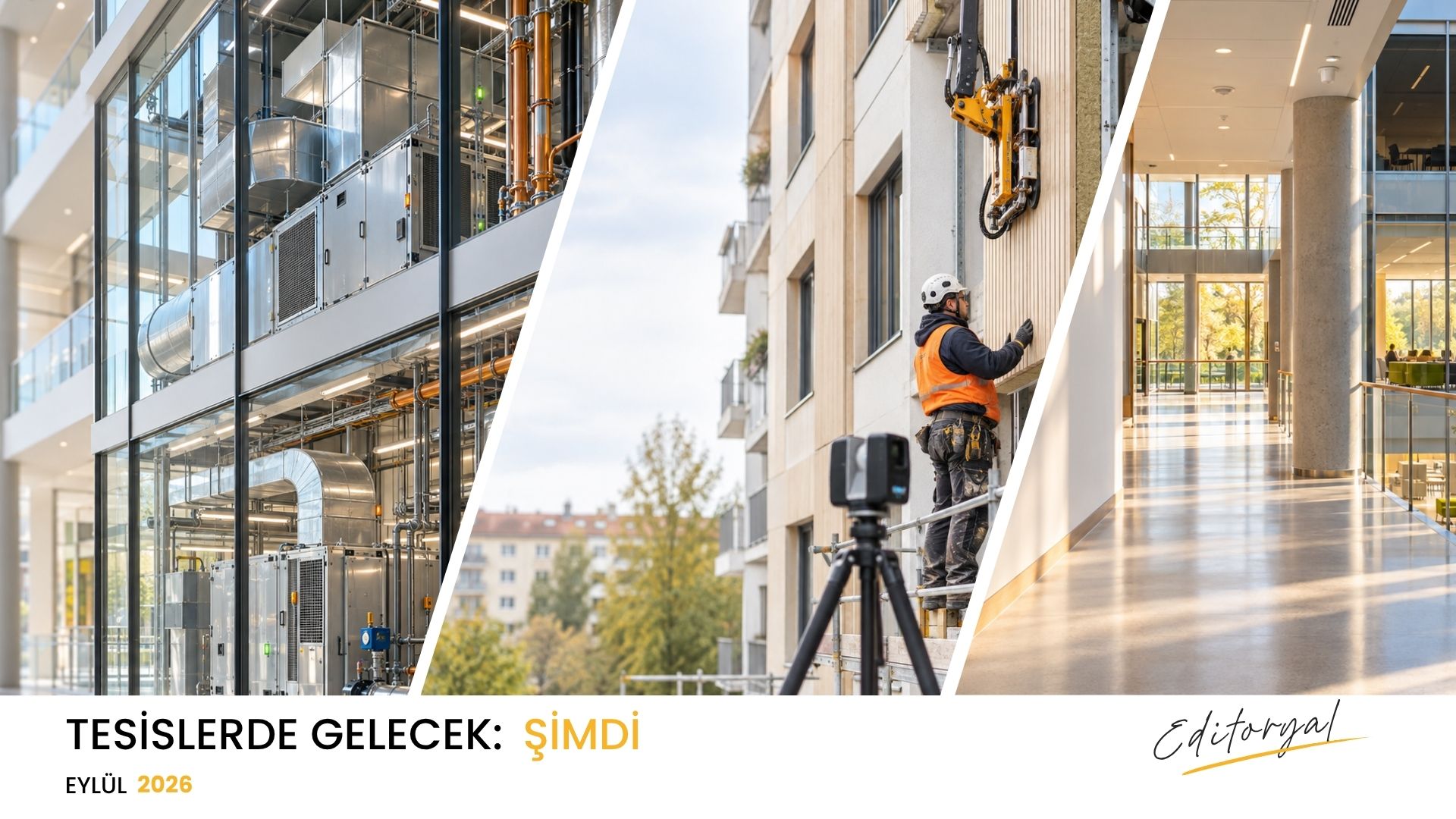
Technology is reshaping not only how facilities are managed but also processes from energy use and maintenance planning to cleaning operations and occupant comfort. AI-supported building management systems, autonomous cleaning robots and digital twins are opening the way for more efficient, data-driven facility management.
Recent implementations around the world show that solutions once associated with the future of facility management are beginning to enter today’s operations.
AI Takes an Active Role in Building Management
Johnson Controls, a global player in smart building technology, has enhanced its OpenBlue platform with new AI capabilities. The platform analyzes building data to optimize ventilation and HVAC systems automatically for current conditions.
The platform’s AI assistant, OBI, provides information on energy consumption and equipment status, recommends maintenance priorities and can create work orders in approved processes.
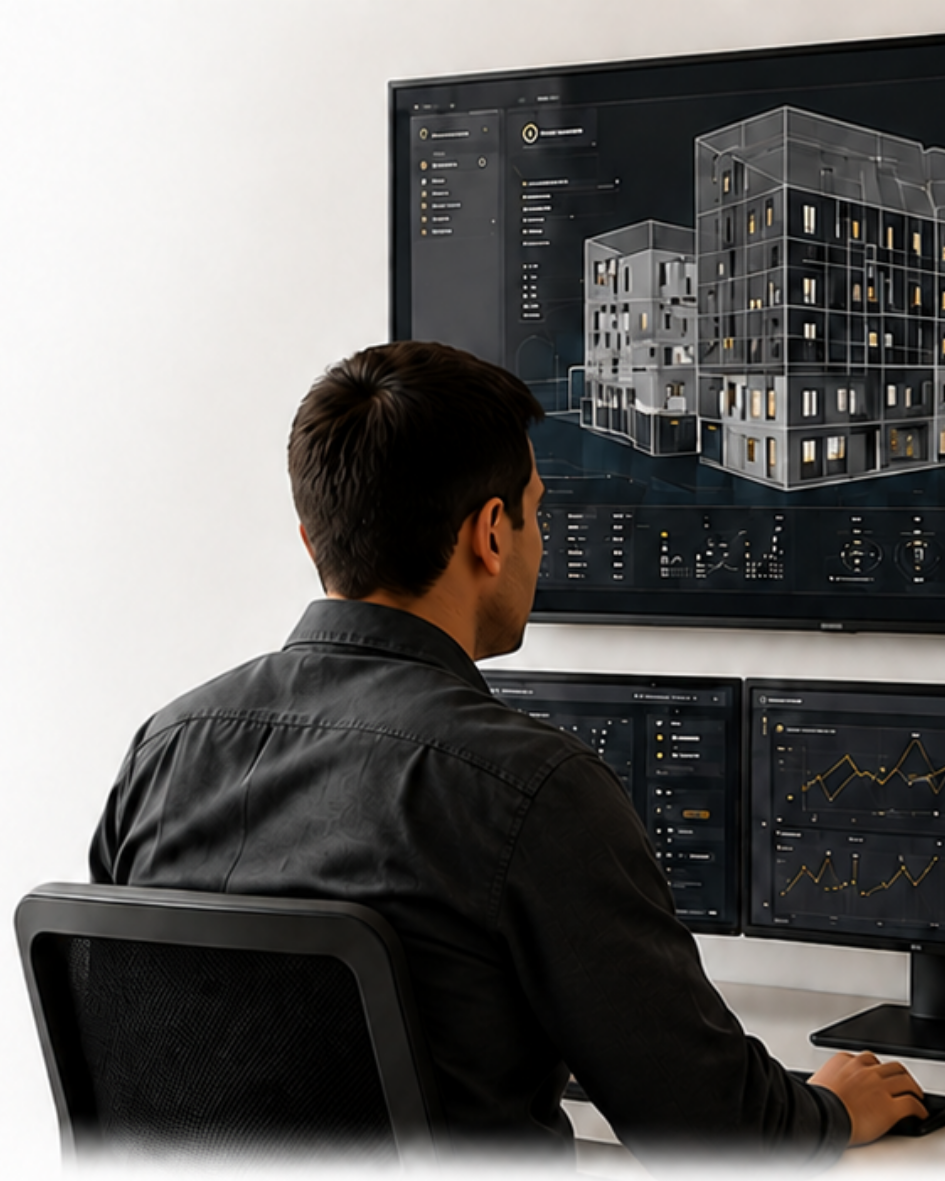
This approach supports the move from reactive interventions to predictable, planned operations. Identifying maintenance needs before disruption contributes to controlling energy use, using resources appropriately and maintaining service continuity.
Robotic Cleaning Expands at Airports
SoftBank Robotics America and Flagship Aviation Services expanded their autonomous cleaning program at US airports. In less than two years, the fleet grew from 100 robots across 15 locations to more than 200 robots across 25 airports.
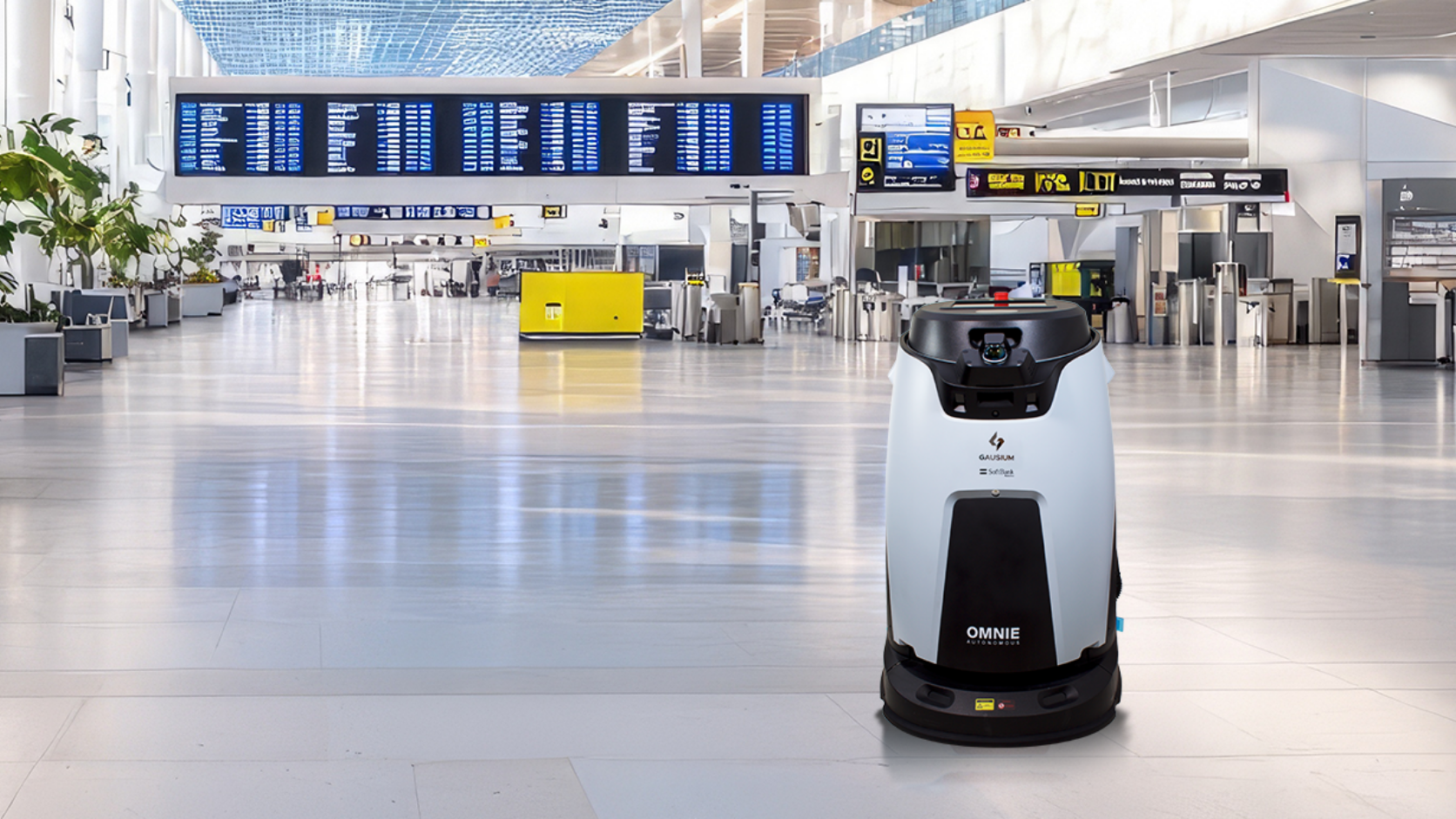
The robots clean large floors and carpeted areas, allowing field teams to focus on tasks requiring human intervention. At busy airports, these systems support operational efficiency and consistent cleaning standards.
New Technology in an Older Building
Digital transformation is not limited to new buildings. Mitsubishi Electric is preparing to test smart building technologies in a 53-year-old building at Berlin TXL.
The project will create digital twins of the building and equipment to determine an optimal operating plan for its HVAC system, with the aim of improving the balance between energy efficiency and indoor comfort.
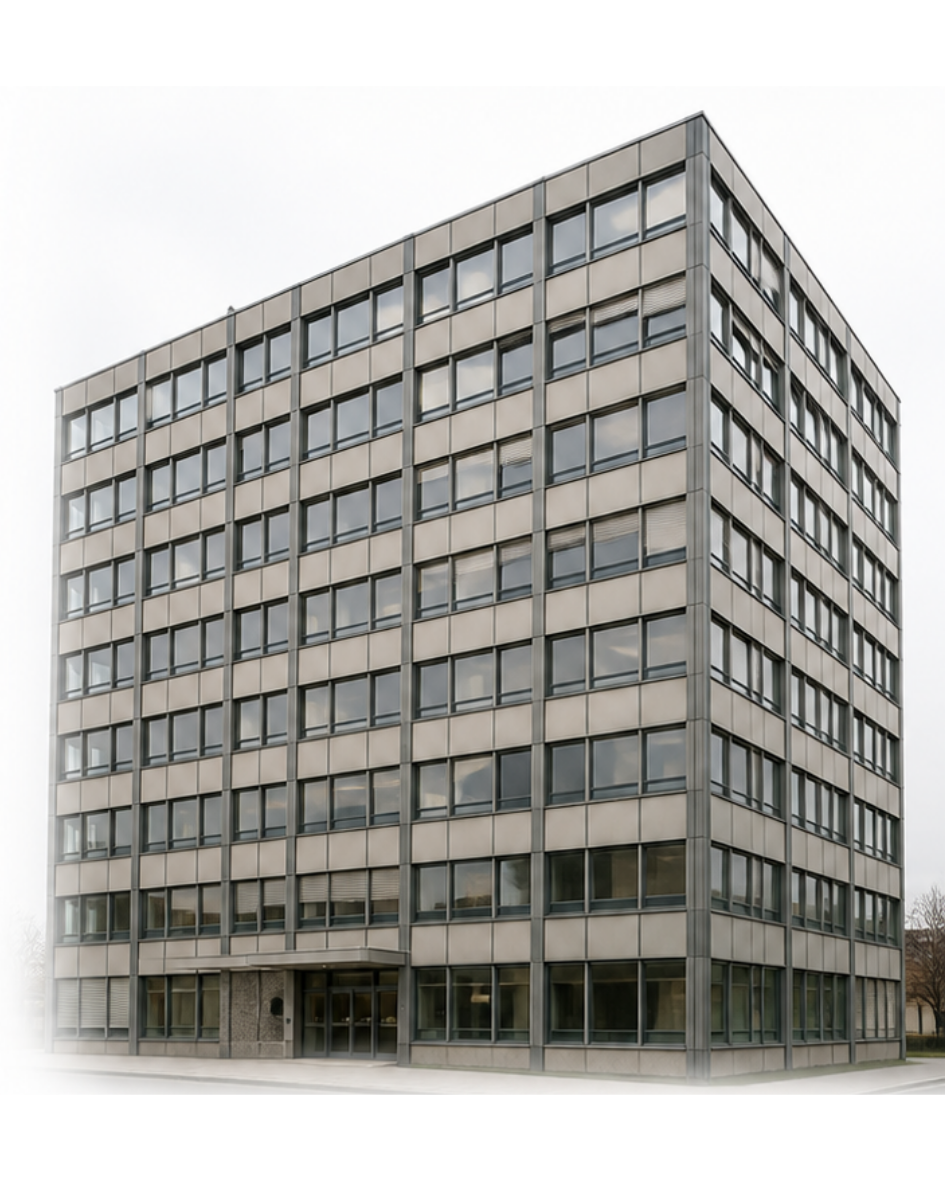
The building data obtained is also intended for regional energy management. This application shows how the right technologies can help older structures move toward a more measurable and efficient operating model.
The Future of Facility Management Is Data-Driven
AI assistants, autonomous robots and digital twins serve different functions but share a common goal: making facility operations more predictable, measurable and efficient.
Rather than replacing people, these technologies strengthen teams’ decision-making capabilities. Automating routine work and analyzing technical data in real time lets facility teams focus on more critical processes.
At Servis365, we follow technological developments in facility management and support efficient, transparent and sustainable multi-site operations. Our SRV365 digital platform enables technical processes, work orders and operational data to be managed centrally.
Contact us for more information about our digital facility management solutions.