As case numbers rose and precautions gradually increased, we closed our workplaces for a second time due to COVID-19 and have been at home for about a week. During the previous closure we prepared an article about how workplaces should be closed. You may wish to read it first: https://servis365.com.tr/pandemi-sonrasi-is-yerlerimiz-bizi-nasil-bekliyor/
But is closing a workplace correctly enough to forget about it until it reopens? What can or should we do while it is closed? Although restrictions during full lockdown raise questions about how to visit for inspections, we wanted to answer these questions for those who wish to check their workplaces.
How Should a Workplace Be Kept Closed?
Even if you took many precautions before closing, systems, devices, furniture and products can require interim checks. This closure has a known reopening date and is not very long, but at least one check is worthwhile. The visit should be deliberate and purposeful, and a professional checklist is essential. Start by creating one.
What Should I Check?
When indoor air is not refreshed during a closure, dust and damp can make it stale. Your indoor garden and mature plants may also have suffered from the lack of daylight. Use the following points to prepare your checklist:
- Entrance and exterior: Before entering, check the entrance, shutter and exterior for signs of forced entry. Your alarm is probably active, but if anything looks wrong, call the authorities before going inside so the proper procedure can be followed.
- Watch for gas leaks: If you use natural gas or LPG, be alert for leaks. Before turning on a light, ensure the gas detector is not in alarm and there is no smell. If there is a problem, leave the door open, warn others and contact the relevant authorities.
- Alarm panels: Once inside, first check the security and fire detection panels. Make sure there are no warnings and they are still operating.
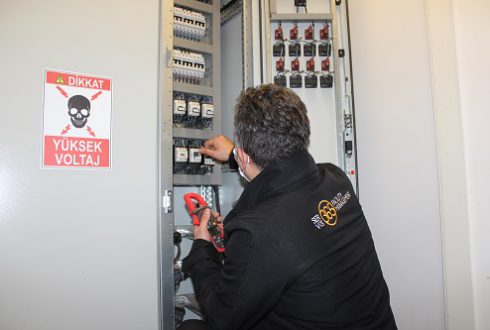
- Electrical panel: Check the electrical panel. If a breaker you left on has tripped, do not reset it. Breakers are protective devices and generally do not trip without a fault; rodents can also damage wiring. Have a technical specialist inspect it before restoring power.
- UPS: Check the display on your uninterruptible power supply (UPS) and listen briefly; the device sounds a warning if there is a problem.
- Ventilate the space: Ventilate the space promptly. Prioritize fresh air if possible by opening windows and doors. If your premises are in a centrally ventilated shopping center or office building with no direct access to fresh air, opening the doors is sufficient.
- Do not operate air conditioners: Do not operate air conditioners before they have been inspected. They usually recirculate air drawn from the room or ceiling void rather than adding fresh air; while closed, they may have accumulated dust or bacteria on damp filters.
- Let in daylight: Open the curtains to let in daylight. Give plants moved away from glass façades to protect them from heat some sunlight, and reverse these steps before leaving.
- Plants and indoor gardens: Water your plants and aerate the soil if possible.
- Wastewater drains: Make yourself a coffee to check the machine. While waiting, pour about 2–3 liters of water into drains to prevent smells caused by dry traps.
- Rodent and pest checks: Walk through the premises looking for signs of rodents or pests and water leaks in ceilings or wet areas. Seek professional help if anything unusual is found.
- Storage check: Check products left in storage and ventilate them if possible.
- Operating equipment: Check any refrigerated cabinets, refrigerators or cold rooms left running to ensure they operate correctly and maintain the required temperatures.
How Can a Closure Become an Opportunity?
Many workplaces and homes have major renovations that are repeatedly postponed, particularly those that would disrupt operations or cause loss of working time. Business continuity takes priority, and even nonessential problems or tolerable losses can be postponed. We try to fit office renovations into weekends and store renovations into nights because retail stores must open to customers at 10 a.m. Anyone working in retail knows the golden rule: keep the store open and sales moving.
A closure is a good opportunity to complete postponed projects; construction teams were exempt from restrictions. Restaurants, stores, gyms, entertainment venues and shopping centers used the forced break for improvements they could not fit into normal operations.
We hope these suggestions shed light on what can be done during the break. We hope to return after the holiday to much lower case numbers while maintaining precautions. Until doors reopen with summer, we wish everyone good health.