
In retail and food service, HVAC systems, lighting, refrigerators and freezers operate throughout the day. They provide comfort and food safety while consuming considerable energy in the background.
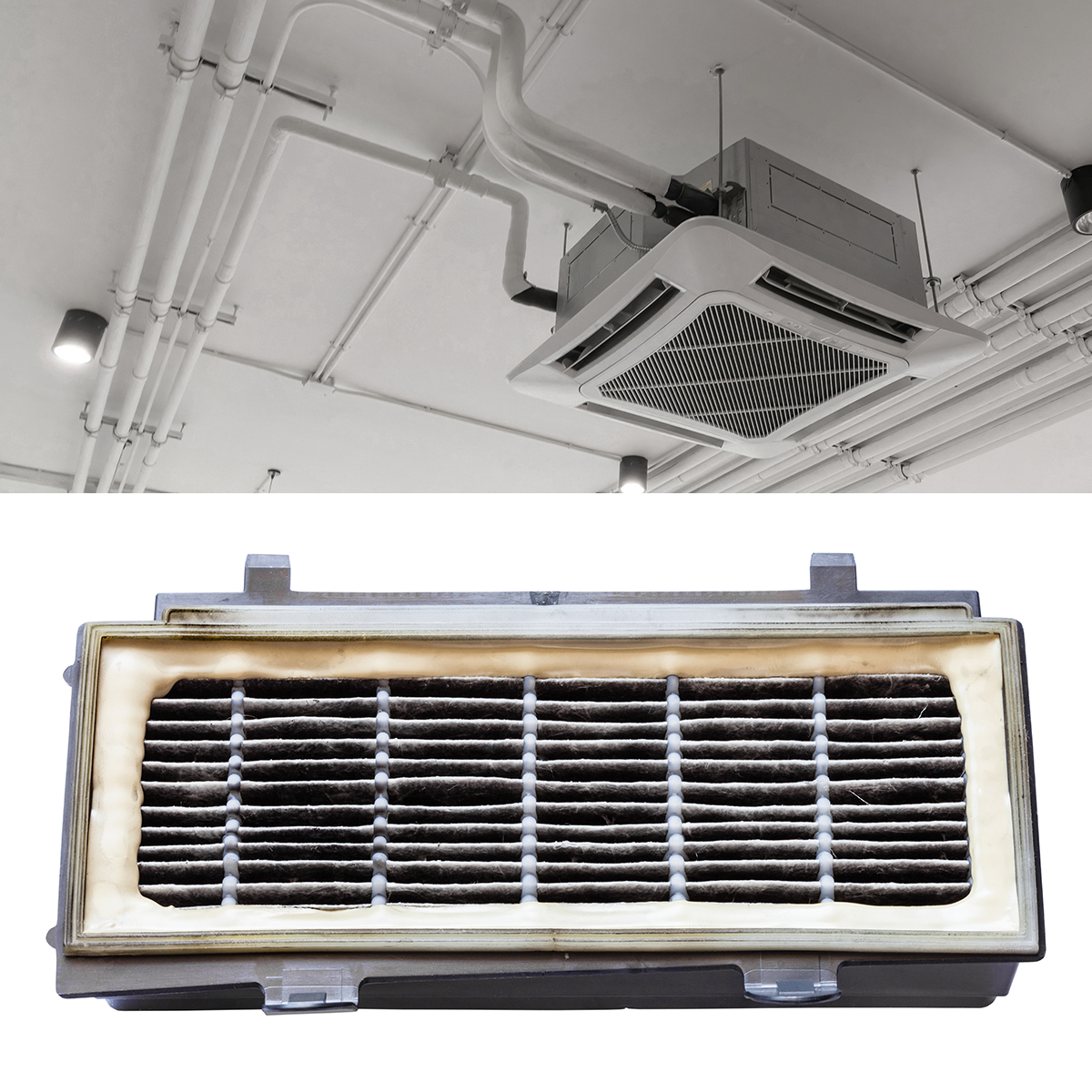
Preventive maintenance can quickly change the energy load of this equipment. A clogged HVAC filter, a loose seal or an unbalanced fan can strain the entire system and increase consumption. Protective and preventive maintenance can therefore become a quiet but effective savings tool for stores. Simple cleaning, inspection or monitoring helps equipment operate more easily and keeps energy use under control.
The main purpose of protective and preventive maintenance is to prevent equipment from working harder than necessary. As dust accumulates in an HVAC filter, the device uses more power to provide the same cooling, much like exerting more effort on a treadmill as the incline rises. When preventive maintenance is carried out correctly, systems operate efficiently, overload is avoided, intervention occurs before faults arise, energy and maintenance costs fall and unnecessary operating hours are optimized. Studies around the world indicate that the combination of these effects reduces energy consumption in multi-site facilities by 6–12%. This means not only lower bills, but also a corresponding reduction in the carbon footprint released into the atmosphere.
Let us look at examples from around the world of how maintenance and inspection produce real energy savings: when remote energy management is applied across a 44-store chain and devices operate only when needed, a store consuming 300,000 kWh annually can achieve savings of 7%. Assuming a tree captures approximately 20–25 kg of CO₂ per year, this saving is equivalent to the annual carbon capture of 450–500 trees.
Humidity control also plays a critical role in energy efficiency. It reduces the workload on cooling systems, the need for defrosting and condensation. These effects can be achieved through straightforward operations such as calibration, checking settings and regular maintenance.
In conclusion, periodic technical maintenance is not only a technical requirement for multi-site facilities; it is a quiet lever that improves the entire operation.