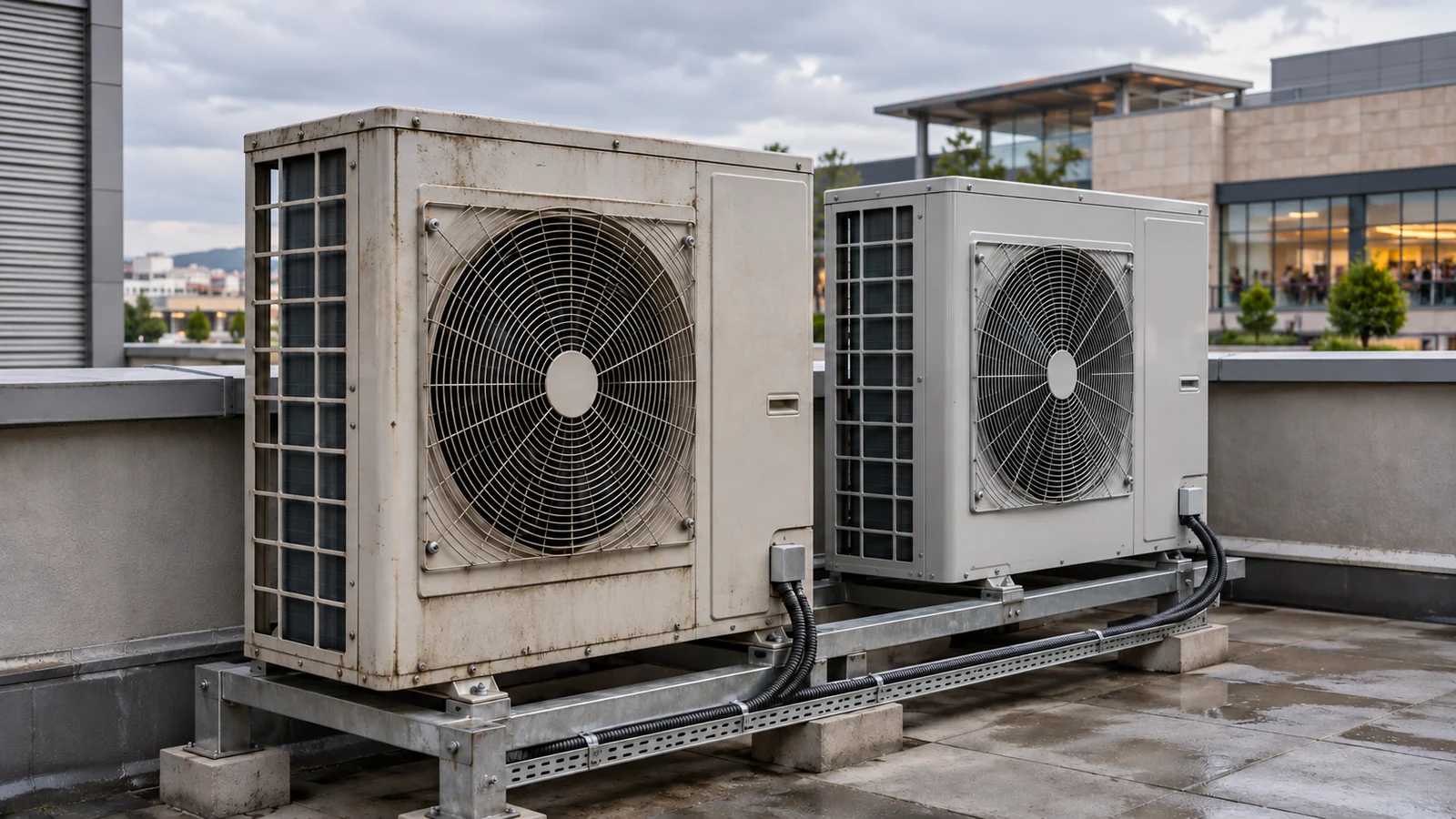
When equipment fails, especially if it disrupts day-to-day operations, the priority is to get it working again. A repair quote is requested, parts availability is checked and the work is scheduled. But when the same equipment needs another service call, a question arises: should you keep repairing it or replace it?
The repair price alone cannot answer that question. The equipment’s condition, its role in the business and its likely future costs need to be considered together.
Start with the fault and the equipment’s history
Before deciding, establish what the proposed repair will address. A recurring symptom does not always mean the same fault has returned. Review earlier interventions and maintenance records, alongside the latest service report.
Which parts have been replaced? How often has the problem occurred? What condition are the other components in? These questions help clarify the scope of the work and what to expect afterwards.
Age also matters, but two units of the same age may have very different workloads and maintenance histories. Years in service alone are not enough to justify replacement.
What does downtime mean for the business?
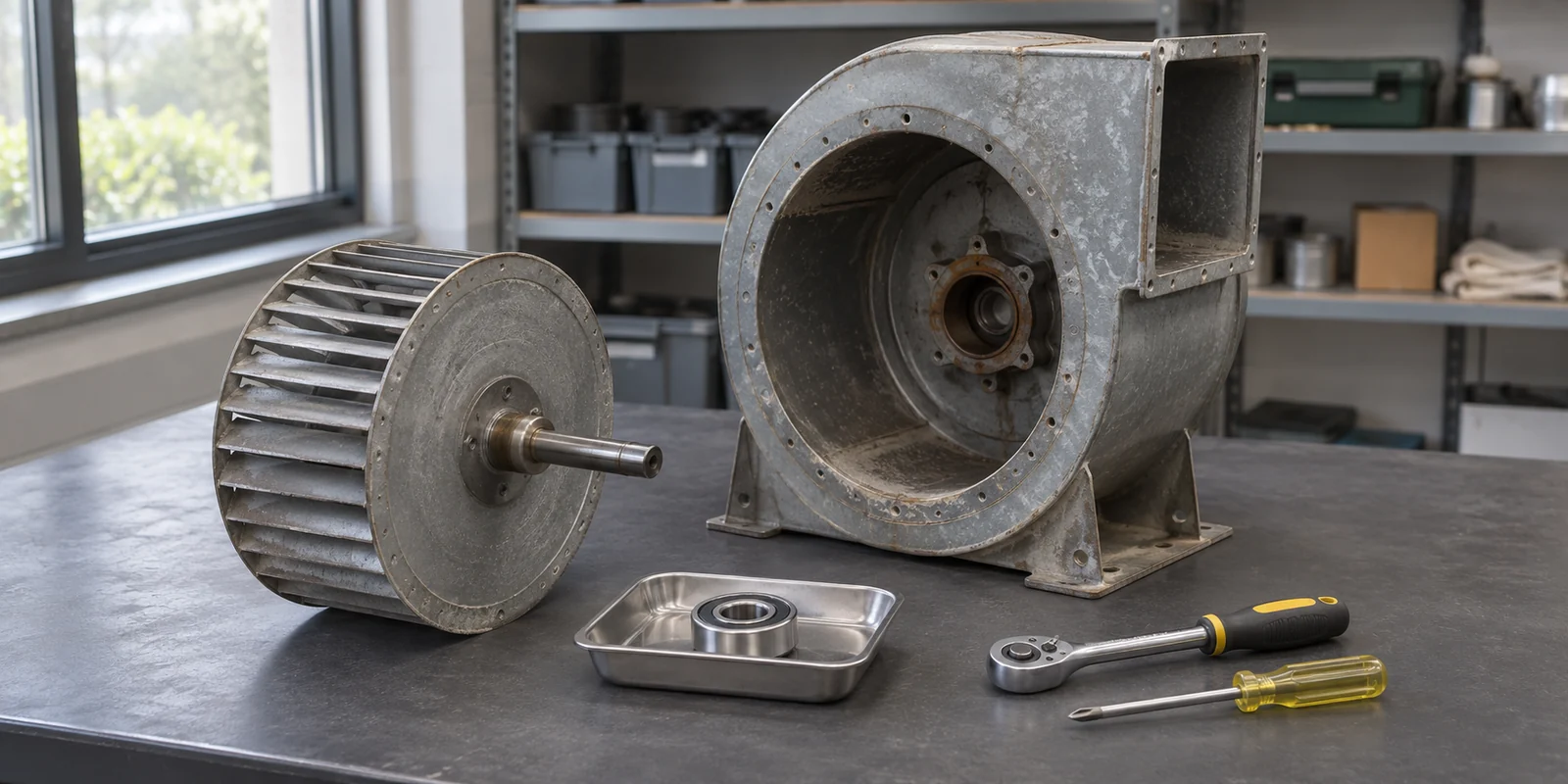
The impact of a failure depends on where and how the equipment is used. A wait for parts that is manageable at a site with a backup unit may create an urgent problem elsewhere.
A technical assessment should therefore consider how critical the equipment is to operations, as well as its condition. Remaining useful life, energy use and the effect on service also belong in the assessment. UNM — Repair, Rehabilitation or Replacement
Parts availability, lead times and service support all matter. Alongside “When will the repair be completed?”, ask “How will the business operate in the meantime?”
An unsafe option should not be chosen simply because it costs less. The options included in a cost comparison must first be assessed for technical suitability.
Is comparing the repair quote with the purchase price enough?
A seemingly low quote may tell only part of the story. Installation and commissioning costs need to be added to the price of new equipment, while future maintenance and operating costs must be considered for the existing unit.
The comparison can include:
- Repair or purchase costs
- Removal, installation and necessary infrastructure modifications
- Energy use and planned maintenance costs
- Other interventions expected over the same period
- The impact of downtime on the business
NIST’s life cycle costing guidance also requires alternatives to be compared over the same study period. Previous expenditure is not added to future costs again; past records remain useful for understanding the equipment’s condition. NIST — Life Cycle Costing Manual
Rather than applying a universal age limit or repair-cost percentage, consider these factors together. Partial refurbishment or an overhaul may also be an option where technically appropriate.
For example, two air-conditioning units may receive similar repair quotes. One may have failed for the first time, while the other continues to cause problems despite several interventions. The same price does not necessarily lead to the same assessment.
The role of technical records in the decision
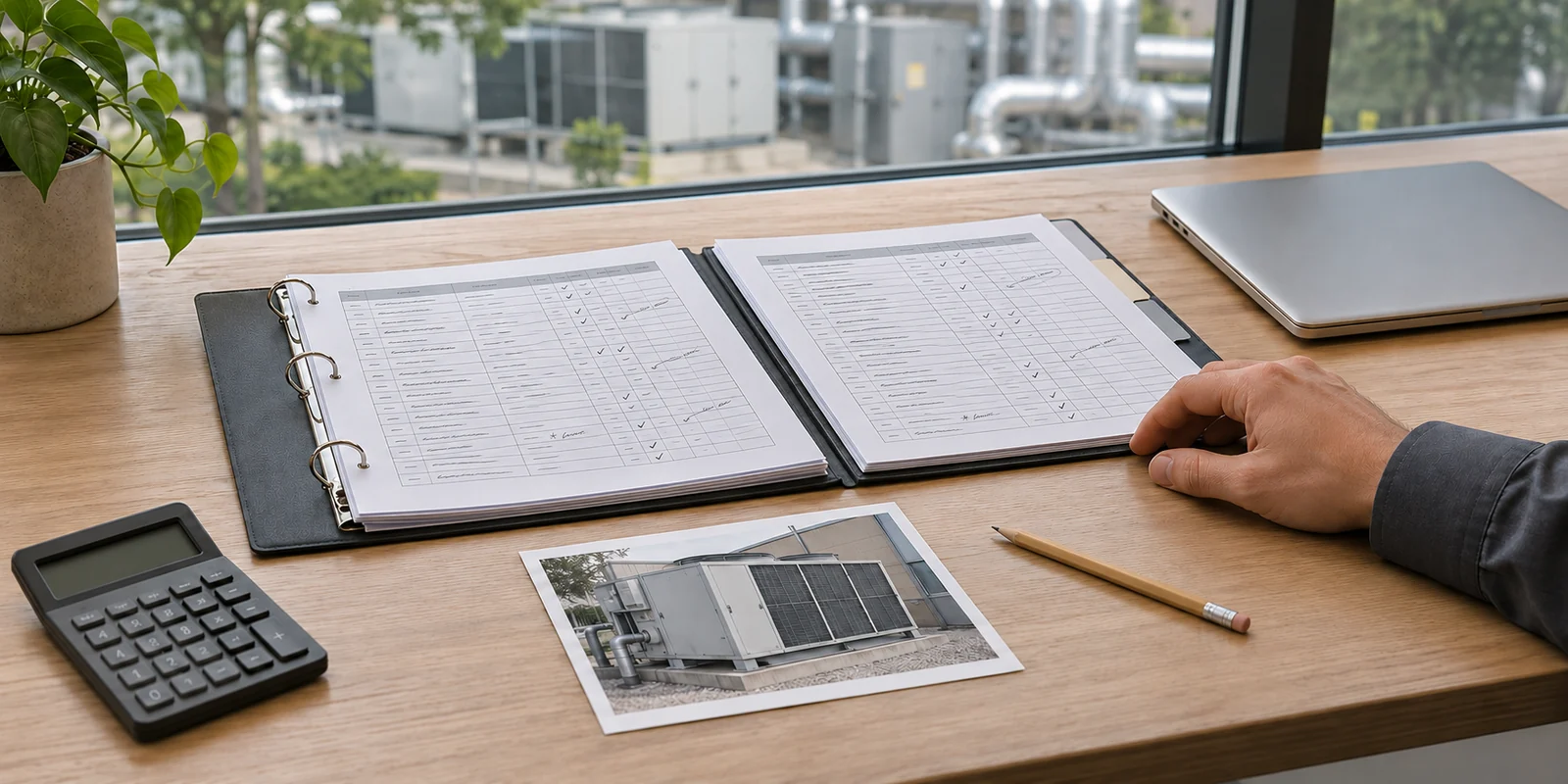
Past interventions, technical findings and maintenance information need to be accessible for this assessment. When records are scattered across files or held by different people, piecing together the equipment’s history can take time.
This need becomes more apparent in multi-site businesses. Tracking what was done at each location and which problems recur in a consistent way makes the information needed for assessment easier to find.
The Servis365 and SRV365 approach
Servis365 takes a centralised approach to managing maintenance, repairs and field coordination for multi-site businesses.
SRV365, Servis365’s digital operations platform, supports request and work order management, field operations and document tracking, reporting and site-specific technical records. These records can inform a repair-or-replacement assessment by providing information about previous work and technical findings.
The final decision depends on the equipment’s current condition and the business’s needs. Consistent records make the basis for that decision clear.
Get to know Servis365 to track your maintenance and repair processes centrally.