
Retail chains, office campuses and large facilities now manage many technical requests throughout the day. An air conditioner failure in a store, an electrical problem in a warehouse or non-working office lighting can arise at different locations at the same time.
These requests are often communicated by phone, email or records held on different platforms. As volumes grow, this fragmented structure can create operational challenges. Missed requests, longer response times and difficult coordination are common, particularly across multiple locations.
Maintenance processes therefore increasingly need not only to be fast but also centrally traceable and systematically manageable.
Cloud-based facility management platforms provide a digital infrastructure for this need. They bring together processes from creating maintenance requests and managing work orders to dispatching field teams and analyzing performance data in one system.
From Traditional Methods to Digital Platforms
Maintenance is one of the areas where digital transformation in facility management is most visible.
Traditional maintenance requests are often managed through fragmented systems. This may work for small facilities, but becomes complex quickly when hundreds of assets and multiple locations are involved.

How Are Digital Technologies Changing Maintenance?
The widespread use of smartphones and mobile apps has significantly transformed maintenance management. Many technical teams now use these tools in the field:
-
- Mobile work order applications
- Equipment identification using QR codes
- Fault reporting with photos and video
- Location-based task assignment
When a fault is identified, technical teams can immediately record it in the system.
For example, when a store’s air conditioner fails, a store representative can create an immediate fault request through a mobile app. The system directs it to the relevant technical team and records the intervention.
This approach not only saves time but also gathers maintenance data in a central database.

Data-Driven Maintenance Management
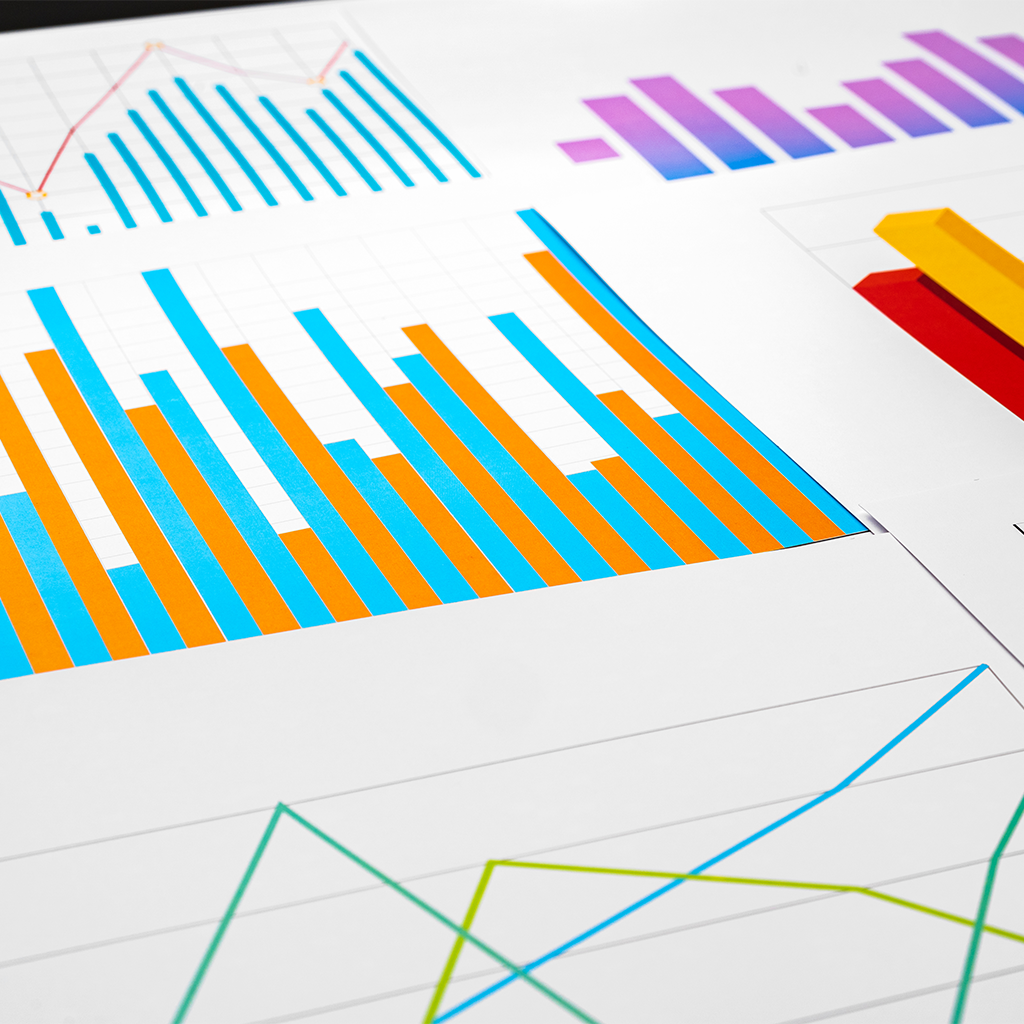
Data is one of the most important contributions of digital FM platforms.
Every maintenance request, work order and intervention is recorded. Over time, this information becomes a valuable analytical resource for facility managers.
The data helps facility managers answer:
- Which equipment fails most often?
- Which locations require the most maintenance?
- What is the average response time?
- Which equipment needs replacement?
more clearly.
International facility management reports suggest data-driven maintenance can significantly improve operational efficiency. Research published by IFMA indicates that organizations using digital maintenance management can improve maintenance planning efficiency by 15–20%.
With this data, maintenance becomes a more strategic management tool rather than merely a response to failures.