
Hello to the business world confined at home!
We have all left our workplaces and retreated home because of the COVID-19 pandemic. Although the Servis365 family is also experiencing a bittersweet enforced break, we wanted to keep working and answer what should have been done, what opportunities remain and what this period may change.
How Did We Close Our Workplaces?
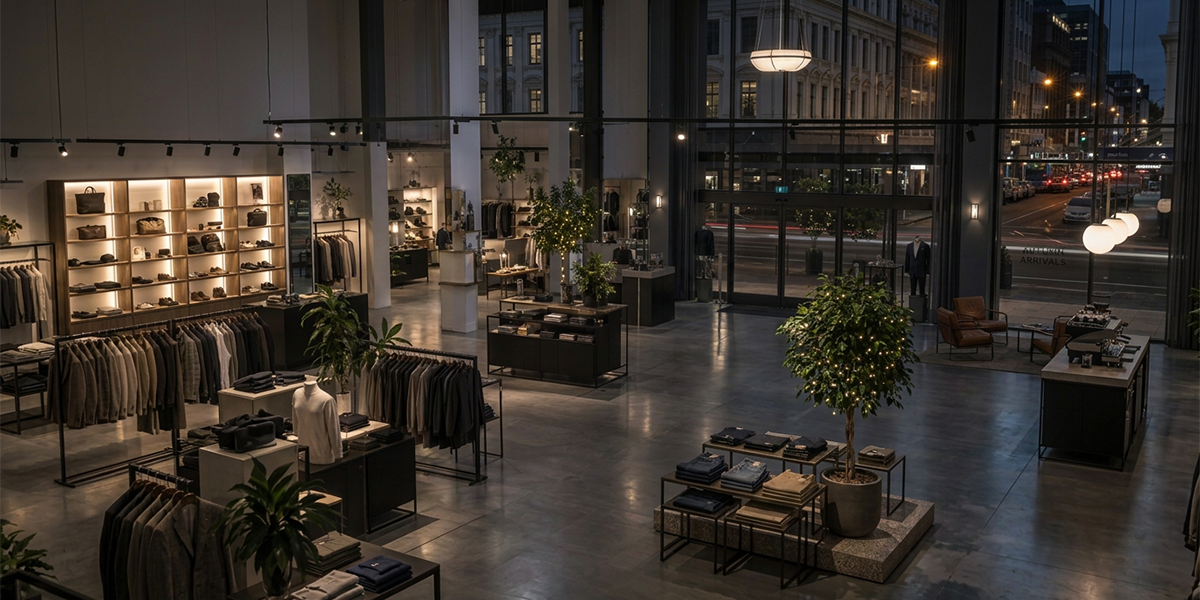
After Türkiye’s first case, many businesses temporarily closed on their own initiative, followed by recommendations and legal regulations. Shopping centers, entertainment venues, restaurants, offices and office buildings are closed voluntarily or by mandate. In fear and panic, how did we close our workplaces? Did we take all necessary technical and security precautions? I believe this was rushed and given too little attention. While some workplaces acted professionally, closure was generally left to administrative staff. Uncontrolled closure without precautions can cause technical problems and security vulnerabilities. Although Türkiye has not had many severe security examples, luxury retailers in the United States, where prolonged power outages and hurricanes have led to bad experiences, have even boarded up street-facing shop windows against potential looting.
How Should We Have Closed Our Workplaces?
Our parents taught us to empty the refrigerator, leave its door slightly open, cover furniture, leave a window ajar where possible, and close gas and water valves when leaving home for a long holiday or closing a holiday house. How should a workplace be closed?
Closing an office or store requires a more comprehensive checklist than leaving a holiday house. Proper closure protects furniture and stock and ensures technical infrastructure remains usable on return. The list depends on equipment, infrastructure and décor; start by preparing a closure checklist and assigning the team that will carry it out and the person responsible for checking it. If you did not take such care at closure, it is not too late to review the precautions.
What Should We Consider?
Workplaces are collections of electrical, mechanical and architectural systems. An overlooked precaution can cause problems later. Consider the following when creating your closure checklist:
- Ensure you have the IT infrastructure necessary for business continuity; this period is easier for workplaces whose technology is properly organized.
- You may switch off some electrical panel breakers as a precaution, but do not accidentally switch off systems that must remain running. Label any breakers or switches that must stay off.
- If systems must remain on, the UPS and electrical panel will continue operating and generating heat, though perhaps less than usual. Keep the technical-room air conditioner cooling or at least provide continuous ventilation. Do not overlook major risks such as fire.
- Manually switch off timed systems such as HVAC and lighting so you do not pay for energy while the facility is unused.
- Air-conditioning systems may remain off for a long period; ensure their filters in particular are clean and dry.
- Empty refrigerators, cold rooms and refrigerated cabinets if possible. If they cannot be emptied, ensure correct operation to prevent product loss and bacterial growth.
- Unplug and clean tea urns, coffee machines and kettles. Check the dishwasher for any last unwashed dishes.
- Cover furniture and open shelves with plastic sheeting to protect against dust and damp.
- Sunlight can damage furniture and products; use curtains or temporary coverings for protection.
- Repair long-postponed problems such as faulty cameras and nonworking audible alarms, so every area can be recorded if an incident occurs in your absence.
- Check that fire detection and alarm systems are operating.
- Record the latest electricity, gas and water meter readings. Close gas and water valves if no connected system needs them.
- Review the pest-control schedule and maintain it; pests and rodents may take advantage of your absence.
- Long periods without ventilation can cause odor and damp, damaging solid furniture and natural leather. Provide fresh air if this does not create security or damage risks.
- Place plants away from direct sunlight. A water-filled plastic bottle placed upside down in the soil can provide simple drip irrigation and keep soil moist longer.
- Ensure doors are securely locked and physical security elements such as shutters and blinds work properly.
- Post a visible notice and emergency contact details outside the door or on the shutter; you may also direct customers to your e-commerce platform.
We Closed Our Workplaces with Precautions. What Next?
These measures can prevent many potential problems, and routine inspections can sustain them. But the business world appears to be changing. This experience is like a well-designed simulation, giving us a chance to recognize what we have delayed, what we can still do and what matters most. Protecting what exists is the first step, but the period also offers an opportunity to develop ideas for future business improvements.
How should we manage this period? What should be done before reopening? What awaits us?
We will write more to answer these questions. If you are considering similar questions, stay tuned—and #stayhome.